This blog is about piping solutions in renewable energy projects, and how Special Piping Materials is perfectly placed to support existing and new projects around the globe.
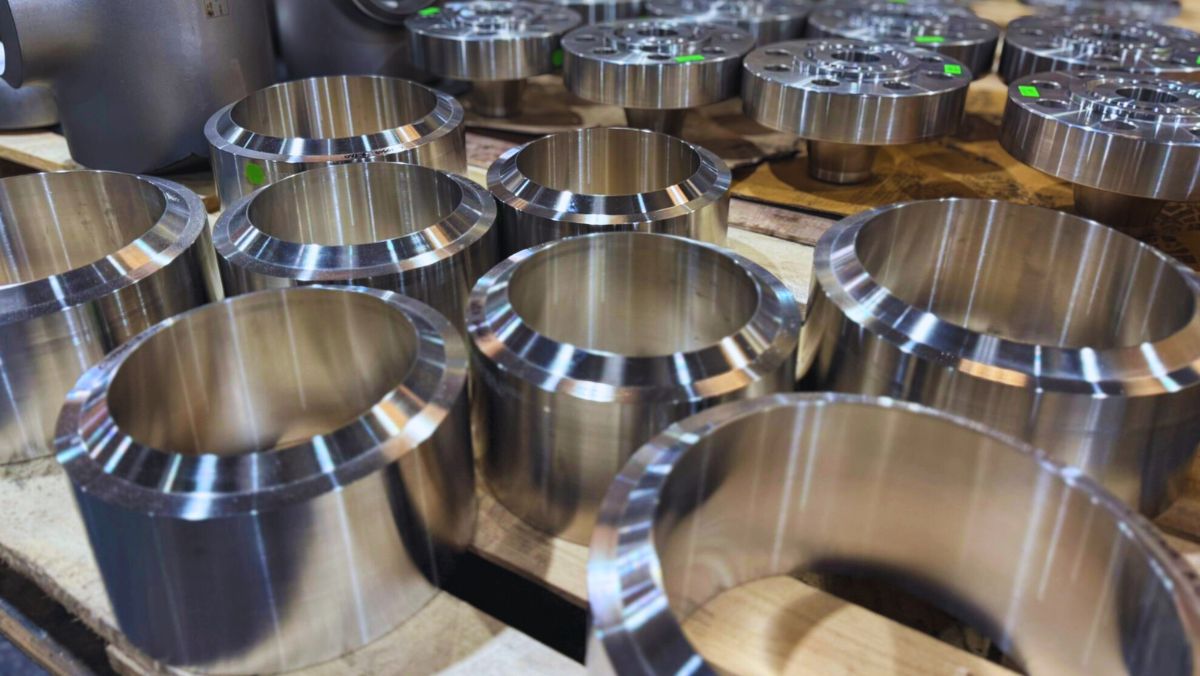
As the global energy transition accelerates, renewable energy projects are rapidly moving from pilot phases into large-scale, long-life infrastructure. Hydrogen hubs, biofuel plants and geothermal power stations are no longer future concepts; they are being designed, built and commissioned around the world.
Behind these projects sits a critical but often overlooked element: piping systems. These networks form the backbone of renewable energy facilities, transporting aggressive fluids, operating under high pressures and temperatures, and ensuring safe, reliable operation over decades.
Whether moving hydrogen at high pressure, handling corrosive bio-based feedstocks, or withstanding the extreme chemical and thermal conditions of geothermal wells, the choice of piping materials and specifications is fundamental. Selecting the wrong material can result in corrosion, embrittlement, leaks and unplanned shutdowns. Getting it right, however, delivers long-term performance, safety and cost efficiency.
With more than 30 years’ experience supporting evolving energy sectors, Special Piping Materials (SPM) is well positioned to support both existing and emerging renewable energy projects worldwide, supplying certified, high-performance piping materials through a global network built for reliability, quality and scale.
Hydrogen Economy: Piping for a New Fuel Frontier
Hydrogen is rapidly emerging as a cornerstone of global decarbonisation strategies. From green hydrogen production using renewable electricity to distribution pipelines and storage facilities, infrastructure requirements are expanding at a rapid pace. However, hydrogen presents unique challenges that demand careful engineering consideration.
One of the most significant risks is hydrogen embrittlement. This is a phenomenon where hydrogen atoms penetrate metal structures, reducing ductility and leading to cracking under stress. Combined with the high pressures typically required for hydrogen transport, this makes material selection critical.
To mitigate these risks, hydrogen piping systems often rely on high-alloy stainless steels, nickel alloys and specialised materials engineered for hydrogen service. These alloys provide enhanced resistance to embrittlement, fatigue and corrosion while maintaining strength under pressure. Equally important is adherence to rigorous design standards and welding practices, supported by fully traceable material certification.
Special Piping Materials works closely with hydrogen project developers, EPCs and operators to supply fully certified piping, fittings and flanges, complete with mill test certificates and compliance documentation. Our global stockholding and technical expertise help ensure materials meet exact project specifications, enabling safe deployment of hydrogen infrastructure at scale.
Biofuels and Biogas: Chemical Compatibility & Durability
Biofuels and biogas facilities play a growing role in reducing reliance on fossil fuels, but the fluids involved can be highly aggressive to conventional piping materials. Feedstocks such as vegetable oils, agricultural waste and industrial by-products often contain organic acids, salts and contaminants that accelerate corrosion.
Carbon steel, while cost-effective, can suffer rapid degradation in these environments, leading to increased maintenance and reduced plant availability. Instead, bioenergy applications often benefit from duplex stainless steels or corrosion-resistant alloys (CRAs) specifically selected for acidic and organic conditions.
These materials offer superior resistance to pitting, crevice corrosion and stress-corrosion cracking, while maintaining mechanical strength and process integrity. The result is longer service life, reduced inspection and replacement costs, and improved operational reliability.
SPM supports bioenergy projects by supplying materials tailored to the chemical composition and operating conditions of each process. By combining material expertise with comprehensive documentation and traceability, we help operators meet both performance requirements and sustainability goals.
Geothermal: Heat, Corrosion & Temperature Resistance
Geothermal energy is one of the most demanding environments for piping systems. Wells and surface facilities are exposed to high temperatures, corrosive brines, dissolved gases such as CO₂ and H₂S, and fluctuating pH levels. These conditions place extreme stress on materials over time.
To withstand these challenges, geothermal projects often specify high-alloy stainless steels, nickel-based alloys such as Inconel, or, in certain cases, specialised composites or polymer-lined solutions. Each option must be carefully assessed against temperature limits, chemical exposure and mechanical demands.
Correct material selection directly impacts plant efficiency and safety. Corrosion failures in geothermal systems can result in costly downtime and safety risks, while well-specified materials provide long-term reliability and predictable maintenance intervals.
Special Piping Materials brings deep experience in supplying materials for high-temperature, corrosive services. Our technical teams support geothermal developers with material selection guidance, global supply capability and rigorous quality assurance.
When it comes to piping solutions in renewable energy projects, clients are demanding more than ever before. From hydrogen transport and biofuel processing to geothermal extraction, success depends on carefully specified materials that balance performance, safety and lifecycle cost.
Special Piping Materials supports this demand with globally available, fully certified piping solutions, backed by technical expertise and decades of experience across energy sectors.
If you’re planning or delivering a renewable energy project, our global specialists are ready to help you select the right materials for long-term success.